I have this conversation with startup founders constantly.
They have found a factory. The samples look good. They ride themselves, care about the idea and want to get selling. Testing and certification feel like costs that can wait until some money comes in.
It is almost always passion driving it, and that is good to see.
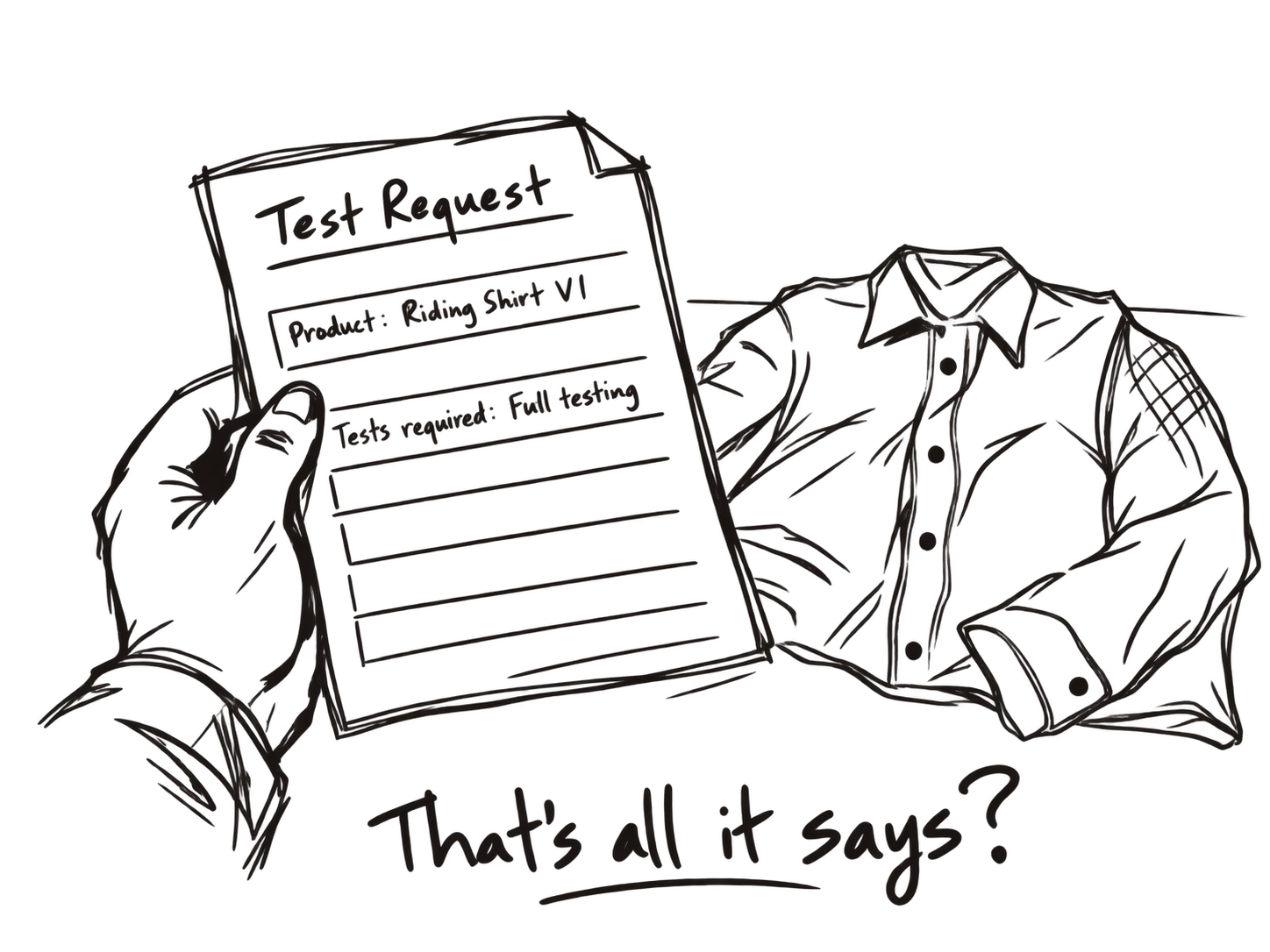
That is the wrong order. For this product type the assessment has to be complete before the product is placed on the market. Test a garment only after it is selling and people are already riding in something nobody has established is safe. If the testing then shows the construction has to change, the garment you fix is no longer the one they bought.
For a startup, paying for the work before launch is one of the strongest things it can show a buyer. The brand has put the product through the required route before asking anybody to wear it. It has not relied on the factory saying the garment is safe. It has evidence for the exact product it intends to sell.
Not many new brands do it, and fewer show it properly. That is why I call the certificate the biggest flex a startup has.
What to publish and what to keep back
Publishing the certificate is optional. It can be a good selling point where the brand knows exactly what its certificate says and does not claim more than it covers. But no buyer is owed it, and leaving it off the product page is not a failing.
New companies sometimes get excited and publish the test reports as well. I understand the instinct. Testing costs money and they want people to see that the work happened.
There is normally no reason to put the raw reports on a product page. They contain detailed information about the product and the testing the brand paid for. The certificate is the cleaner public evidence of the certification decision.
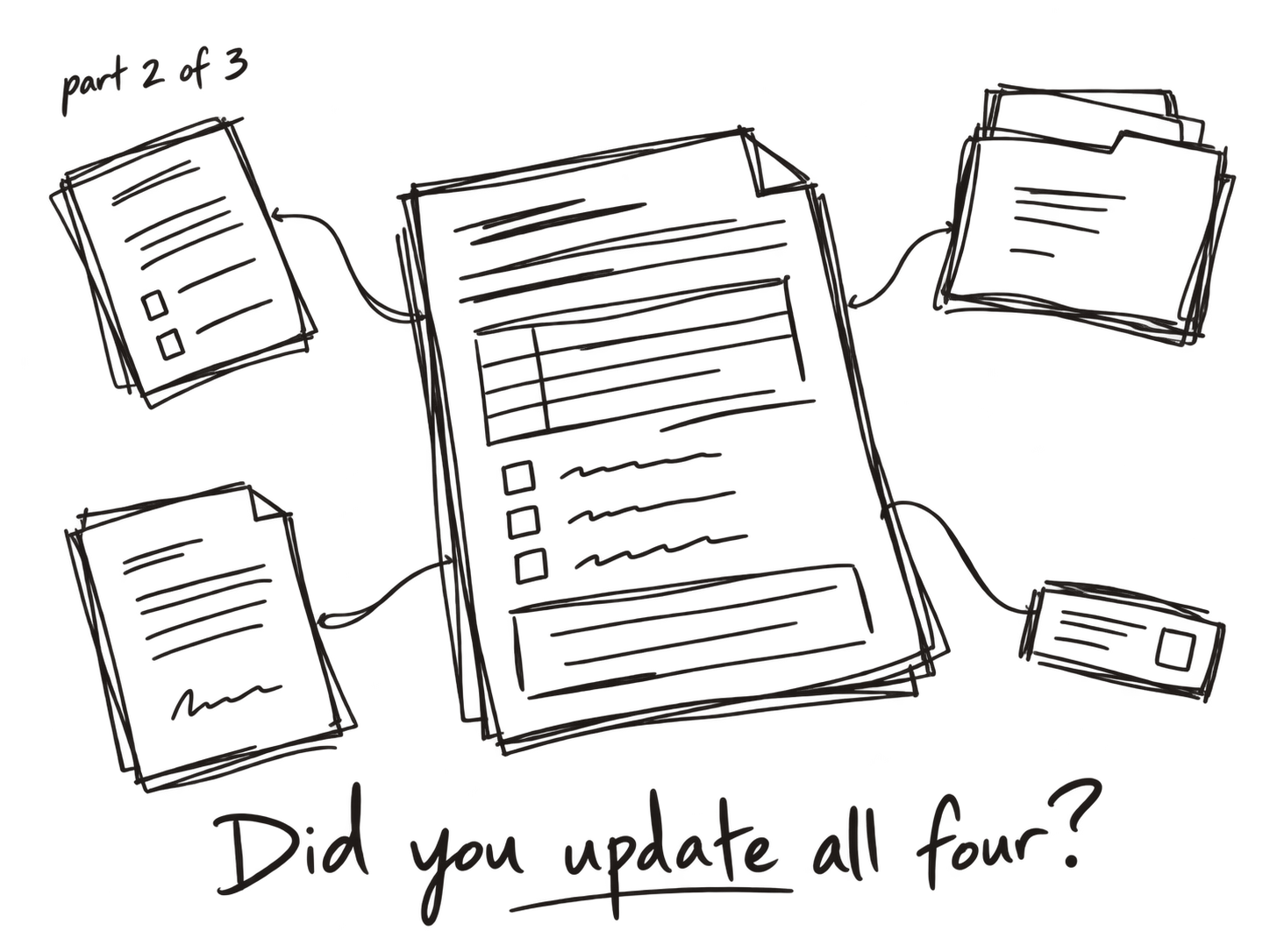
The Declaration of Conformity, the manufacturer’s signed statement for the product, is the one brands forget to put online. It is a key indicator of trust. A buyer who goes looking for it and cannot find it starts wondering what else is missing. How it has to reach the person who buys the garment is covered in They paid to certify the jacket and sold the armour.
So make the declaration easy to reach. If the product instructions point to an internet address for it, that route needs to work.
A public recall shows what the opposite looks like
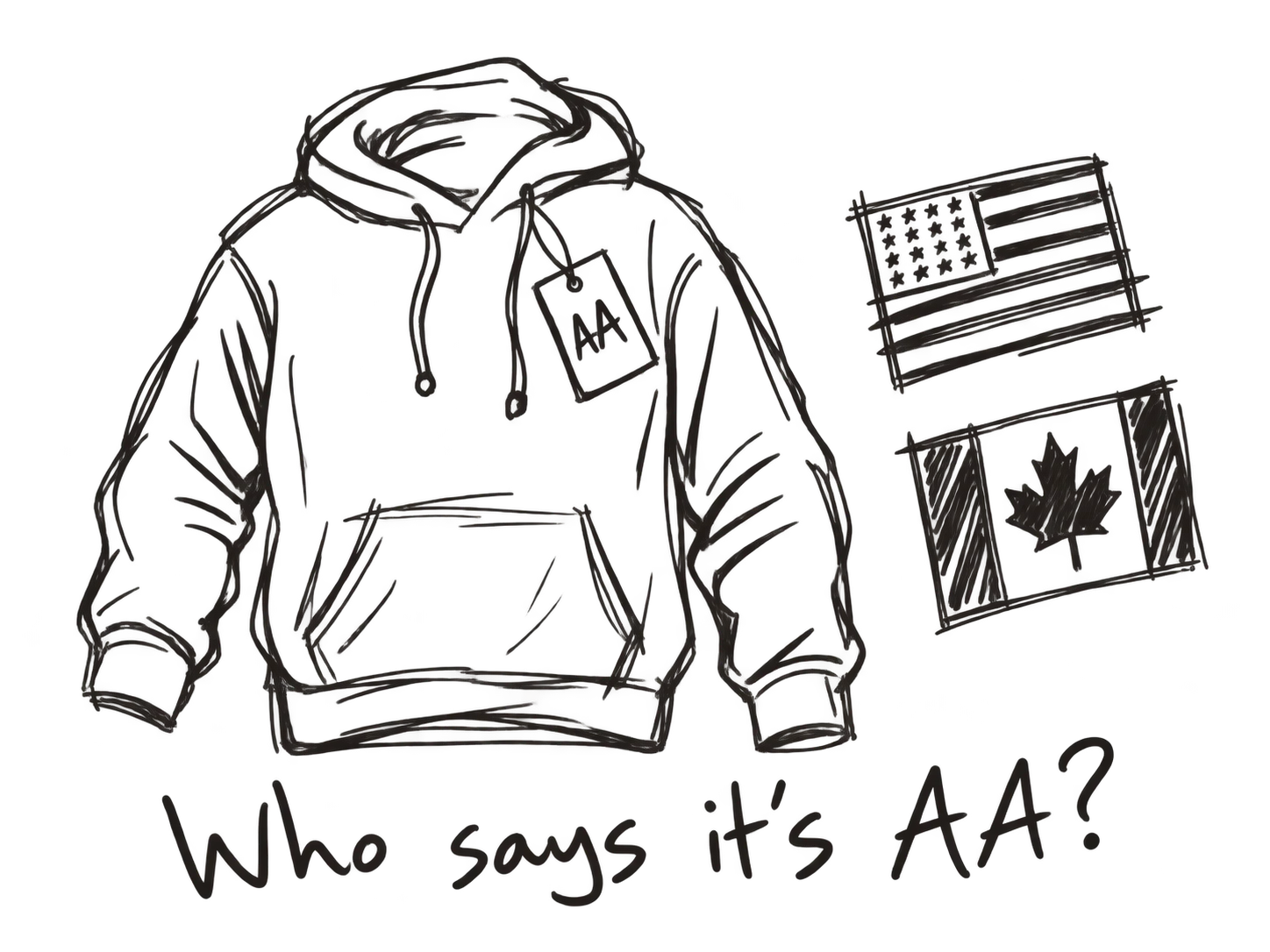
In January 2025 the Office for Product Safety and Standards published a recall notice for a Lanehunters Ltd armoured hoodie. The notice recorded the product as high risk. It said the hoodie was not Kevlar, and that structural layers important to its protective performance did not meet the required standard. Lanehunters Ltd recalled the product from end users and offered a refund.
The notice records the hoodie as sold from January 2024 to December 2024, to customers in the UK, the EU and the USA. The product had been on the market for about a year, and selling, before the recall notice was published.
That is not a story about a missing badge on a website. It is a specific product whose construction did not support what was being sold. A factory saying a fabric is Kevlar is not verification that it is. Testing is what establishes how the fabric performs, and the certificate is the record of the decision that follows.
A brand cannot solve that after the sales arrive. By then people already own the garment.
Check what the certificate covers
The other mistake comes after the certificate arrives.
A founder wants an unzipped version, a summer version or another colour. A vent is introduced. Mesh is added. Each change sounds small on its own. Together they can change the article that was assessed.
Not every change takes the product outside the certificate. Check the certificate’s actual scope and ask whether the changed product is still covered before selling it. A certificate for one article or family does not cover whatever the design becomes next.
The same discipline applies to the website. State the garment standard and class supported by the evidence, and make sure the product names and variants on the site match the certificate and the technical documentation.
A shiny certificate beside the wrong class or the wrong standard does not build trust. It makes the reader wonder whether the brand understands what it bought. If the page does not match, the certificate is still valid, but it stops doing the job you bought it for.
The second product is where this starts to pay back
An established brand is expected to have this process. Its team may be working a year or two ahead, replacing seasons at a time across a catalogue of products. Certification is part of the normal cycle, and nobody expects them to announce it.
You have none of that history. At first, buyers have your enthusiasm and whatever the product page says. Enthusiasm is real, and it is the story people buy into, but you are asking them to put on a garment that is meant to hold together when they come off.
The declaration gives them something they can verify instead. It names the manufacturer who signed it. Where a notified body was involved, meaning an independent body that examined the product type, the declaration names that body as well, and a buyer can check that name. The certificate is the cherry on top of the expensive cake you have just paid for.
Do it properly on the first product and your next launch starts from a better place. What I expect to happen is that by the third or fourth product, buyers are not being asked to begin from zero each time, and you are not starting every sale by arguing that your product is better than the one next to it.
The certificate covers this product, not every future one. It proves that this one went through the work before anybody wore it.