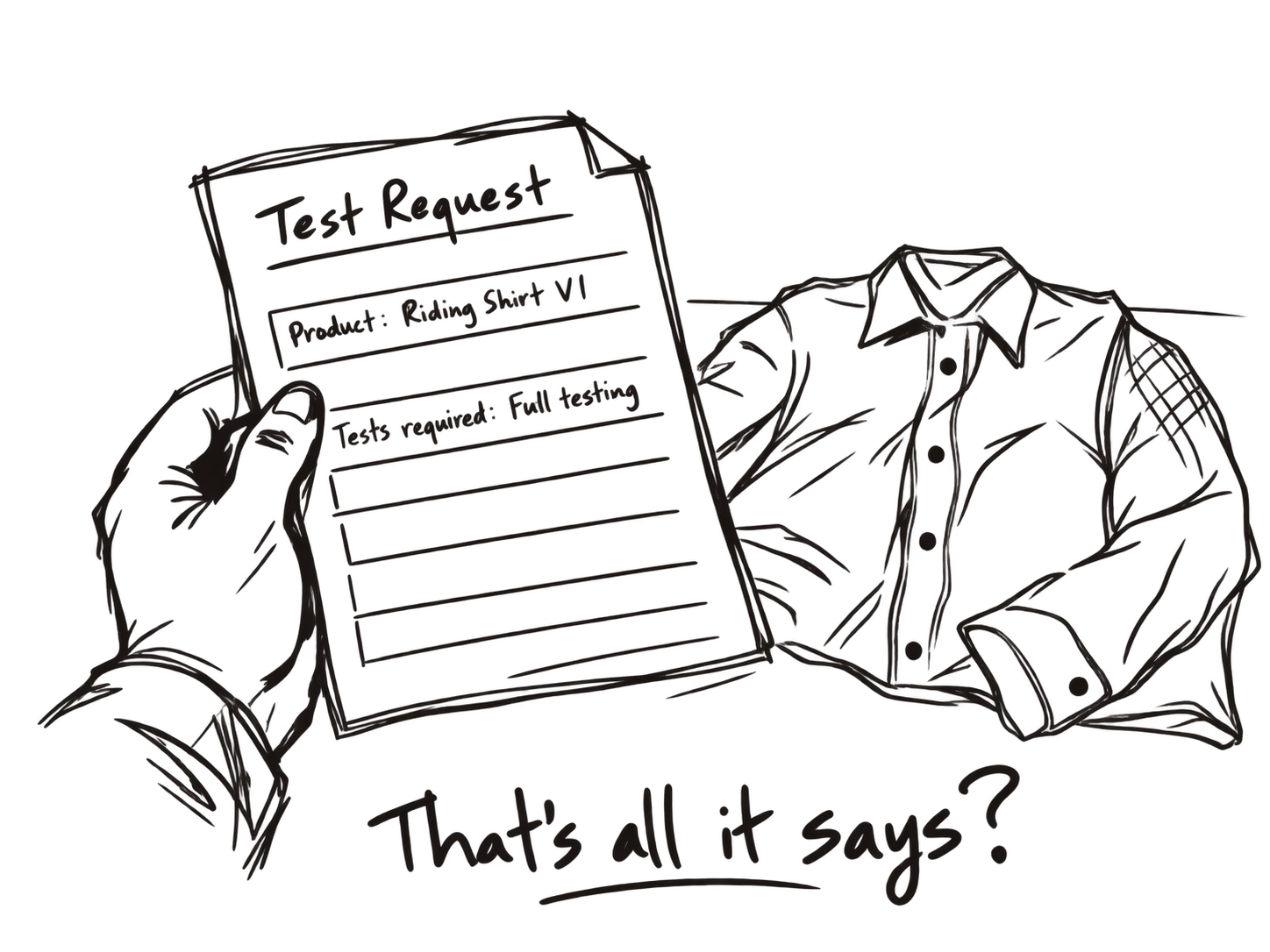
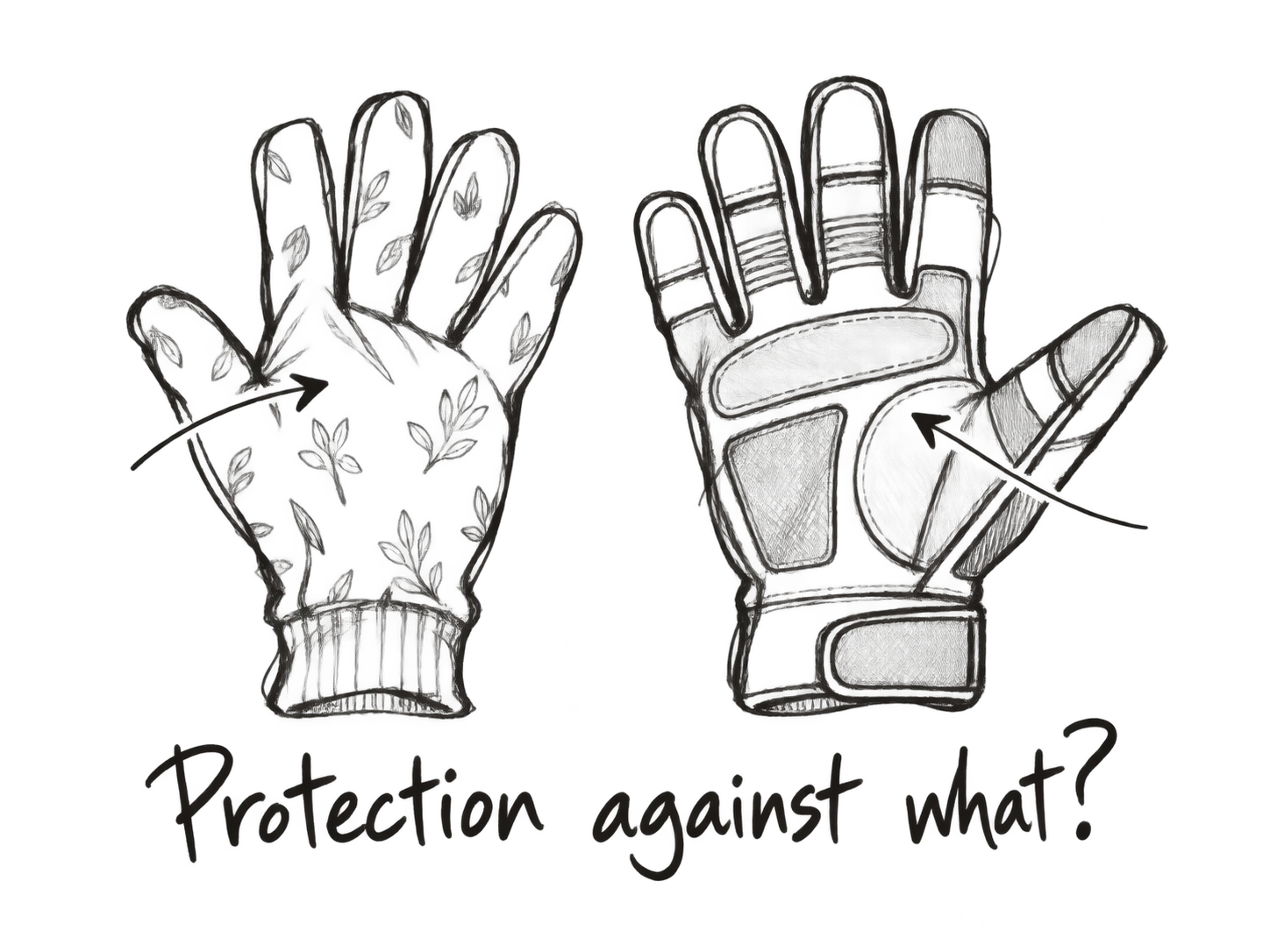
The definition, in plain English
Under Regulation (EU) 2016/425 and its UK equivalent, PPE is broadly equipment designed and manufactured to be worn or held by a person for protection against one or more risks to health or safety.
Designed and manufactured for protection is the test. Marketing copy is not itself the legal test, but it is strong evidence of what the product is for, and it is what an enforcement officer or a distributor reads first.
What the Regulation deliberately leaves out
Article 2 lists specific exclusions. These include PPE designed specifically for armed forces or law enforcement; self-defence equipment other than sporting PPE; certain private-use weather and dishwashing protection; equipment used exclusively on seagoing vessels or aircraft subject to relevant international treaties; and motorcycle helmets and visors covered by UNECE Regulation 22. Check the full conditions before treating a product as excluded.
That last one catches people out on a range where everything else is in scope. A riding jacket is PPE under 2016/425. The helmet sold beside it is not, and it takes a different route.
The grey areas that catch brands out
- Motorcycle casual wear. A hoodie or jeans with armour pockets and abrasion liners, sold for riding, is PPE. Styling does not change the function.
- Workwear against protective wear. Ordinary work trousers are not PPE. Add knee protection and they can be: the EN 14404 series covers different types of knee protection, including wearable pads and pad/garment combinations. The relevant part and assessed combination matter. Add a hi-vis performance claim and you are into a different standard again.
- Sports protection. Shin guards, body protectors and impact shorts have a protective function.
- Tactical and outdoor products. Gloves and clothing sold on cut, chemical or impact claims can be in scope regardless of lifestyle branding. The armed-forces exclusion above covers products designed specifically for that use, not the civilian tactical market.
- Accessories and inserts. Sell armour inserts separately and the insert itself is PPE with its own conformity route.
Why the answer changes everything
If the product is PPE, it falls into Category I, II or III, and the category decides the route. Category I covers minimal risks and is self-declared. Category II needs an independent type examination before sale. Category III covers the listed risks of death or irreversible harm. It adds ongoing production conformity assessment through supervised product checks or an approved production quality system.
Every category needs technical documentation demonstrating the applicable legal requirements, a Declaration of Conformity and the required marking and user information. Harmonised standards are a voluntary way to demonstrate the requirements they cover. CE is used for the EU. Great Britain accepts qualifying CE-marked PPE as well as UKCA. Northern Ireland has separate rules.
I am not a test house and I do not make the certification decision. What I can tell you is what a body is going to ask, because I have been on their side of the email.
Take your live listing copy, your product page and your label, and read them as an enforcement officer would. Underline every phrase that promises protection: impact, abrasion, cut, visibility, chemical. For each phrase, identify the product it describes and the supporting evidence. If that link is missing, resolve it before publishing the claim. A copy change alone cannot remove a protective purpose built into the product.
Sources and further reading
For the legal requirements and their application, see the PPE Regulation (EU) 2016/425, the European Commission's PPE guidance and the GB PPE guidance.